
Lobga Rangzen was the sitting president of the Tibetan National Congress, NY/NJ chapter, at the time of his great sacrifice for Tibetan independence. Just before his self-immolation, he was on the phone with his colleague Dikyi Gyadhar, the TNC’s General Secretary. He ended his call with these words: “I’m going to let the United Nations know that TNC has come.”

The Tibetan National Congress was conceived at a meeting hosted by Taktser Rinpoche, the Dalai Lama’s older brother, at the Tibetan Cultural Center in Bloomington, Indiana, on November 23–24, 2001. Rinpoche had been deeply distressed by the exile Tibetan government’s abandonment of the independence goal and wanted younger Tibetan activists and friends to discuss ways to revitalize the Rangzen struggle.
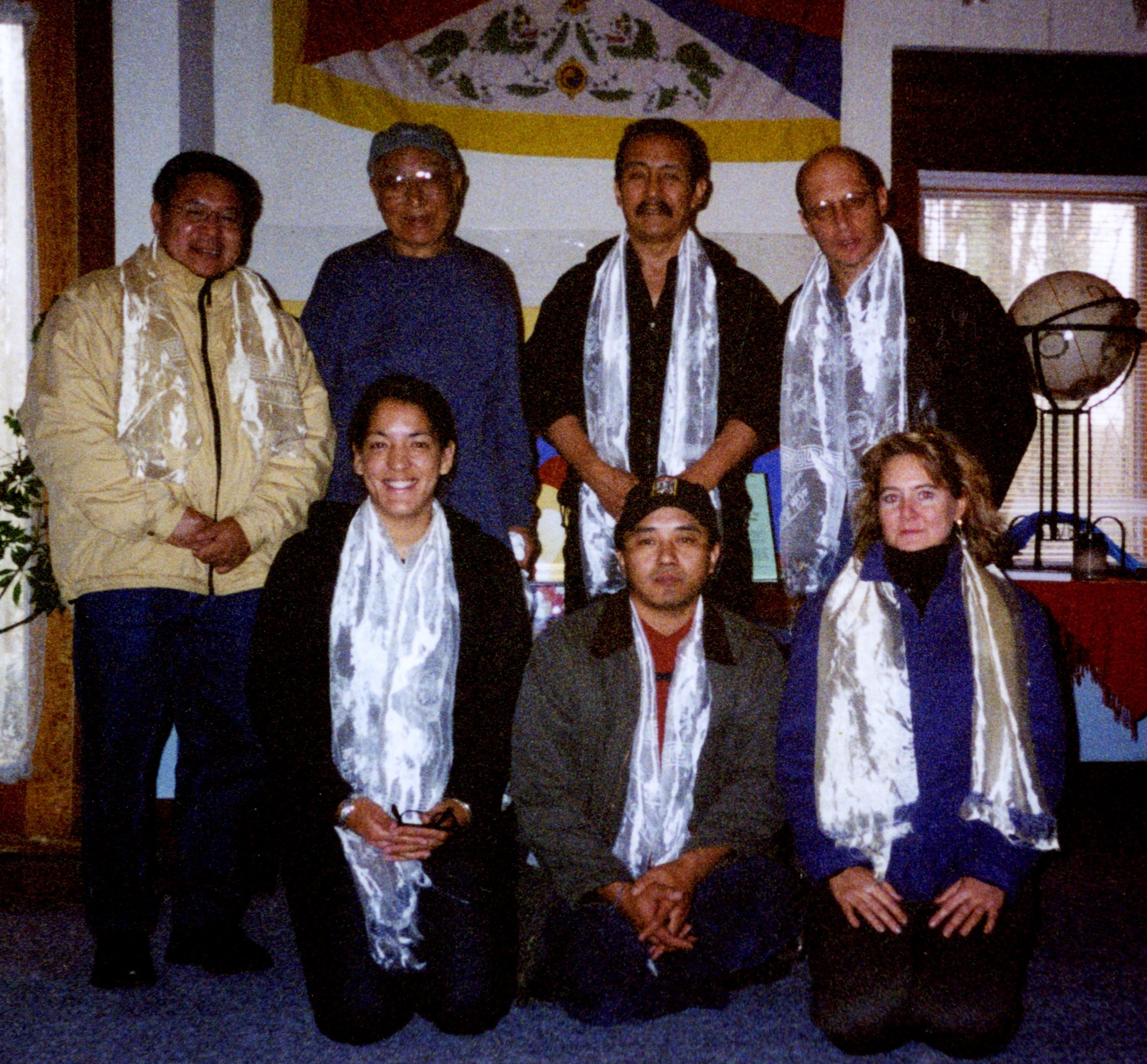
The group called itself the Rangzen Alliance — Rangzen Thuntsok in Tibetan — and this was its first planning meeting. Other members of the Alliance included Sonam Wangdu, Chuki Wangdu, Pema Thonden, Phintso Thonden, Wangchuk Shakabpa, Peter Brown and Kalsang Gyadotsang. The symbol of the Rangzen Alliance was later continued by the Tibetan National Congress: the flaming sword of Manjusri, Bodhisattva of Wisdom, that cuts through the chains of ignorance, apathy and fear – liberating all beings.
An excerpt from Taktser Rinpoche’s speech, later circulated to the Tibetan community as a message:
“Only Tibetan independence can safeguard our heritage, culture, and national identity. ‘Autonomy’ masks defeatism and accepts China’s swallowing of our country — unworthy of the descendants of the great tsenpo emperors who made Tibet a powerful, enlightened state. I call on all Tibetans and friends to join this pure and sacred struggle to free our country.” — Thubten Jigme Norbu / Taktser Trulku, Professor Emeritus, Indiana University; former abbot of Kumbum Monastery
Rinpoche’s spirits, discouraged by the abandonment of the independence goal, had been raised a year earlier by the results of a North American lecture tour that Thupten Tsering, Peter Brown and myself undertook in the fall of 2000. We were met with unexpectedly enthusiastic support, especially from the many Tibetan families who had recently arrived in the US through the Resettlement Program.
Itinerary of the North American Rangzen Lecture Tour, Fall 2000 (September 25–October 21) Cities: Boston, Amherst, Montreal, Toronto, Chicago, Madison, Minneapolis, Williston, Regina, Calgary, Vancouver, Seattle, Portland, San Francisco, Los Angeles, Salt Lake City, Boulder, Kansas City, Bloomington, Washington DC, New York. Speakers: Jamyang Norbu, Thupten Tsering. Road Manager: Peter Brown. Tour Organizer: Lisa Keary.
Immediately after the meeting in Indiana, the newly minted Rangzen Alliance began work. Earlier, the Tibet lobby in Washington had acquiesced to the Clinton administration’s push for Permanent Normal Trade Relations with China and for China’s entry into the WTO.
Together with Students for a Free Tibet, the US Tibet Committee, and the Canada Tibet Committee, the Alliance launched the Boycott Made in China campaign, officially begun on Human Rights Day, December 10, 2001. One of the skits performed at Times Square depicted the PLA invading the North Pole, reducing Santa and his elves to forced labor producing all the world’s toys — henceforth stamped MADE IN CHINA. Toronto staged yak dances.
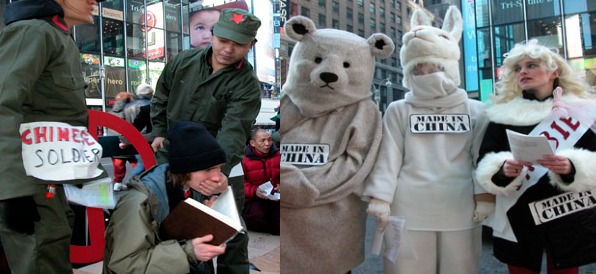

We published a Direct Economic Action brochure, expanded it into a pamphlet in 2002, and eventually into a full book: Buying the Dragon’s Teeth: How Your Money Empowers a Cruel and Dangerous Communist Regime in China, and Undermines Labor, Industry, and Freedom Worldwide. Editions appeared in German and Japanese and were distributed worldwide; the latest edition was released in 2024. The website boycottmadeinchina.org/en/action_tools/downloads/ was created and remains active.
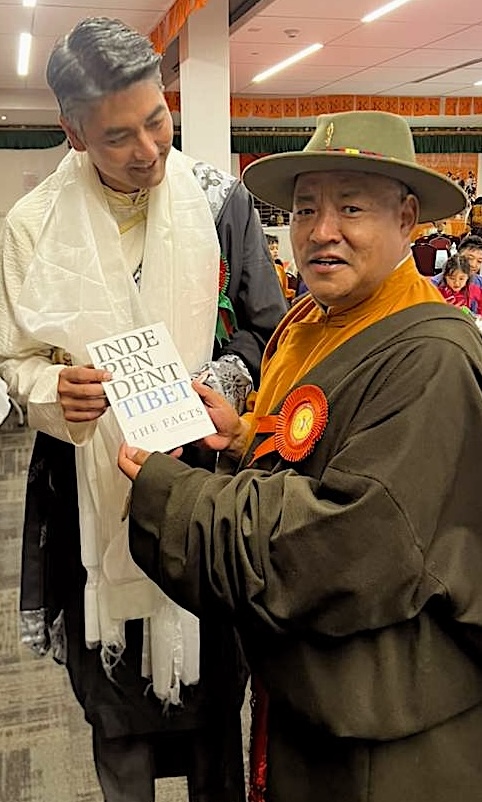
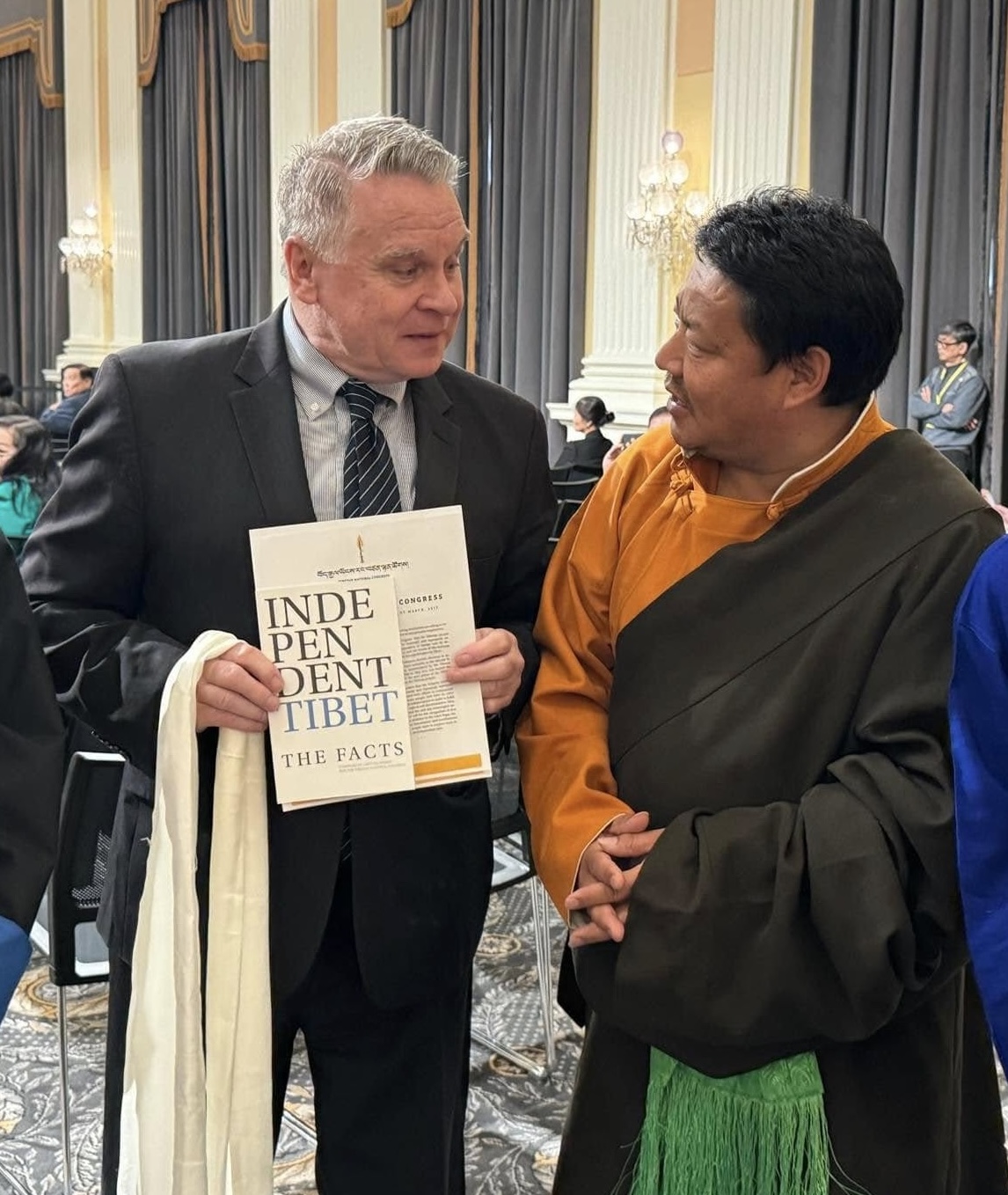
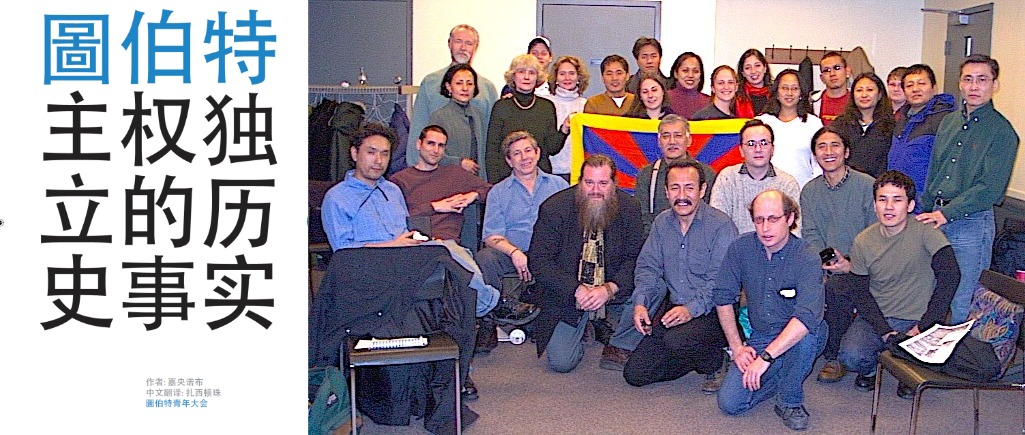
The Rangzen Alliance, together with other activist groups and organizations, kept up its work in the years that followed. The Rangzen Charter: The Case for Tibetan Independence (first published in 1999) appeared in a second edition, alongside a new illustrated pamphlet, Independent Tibet: The Facts, published in Tibetan, English, and Chinese.
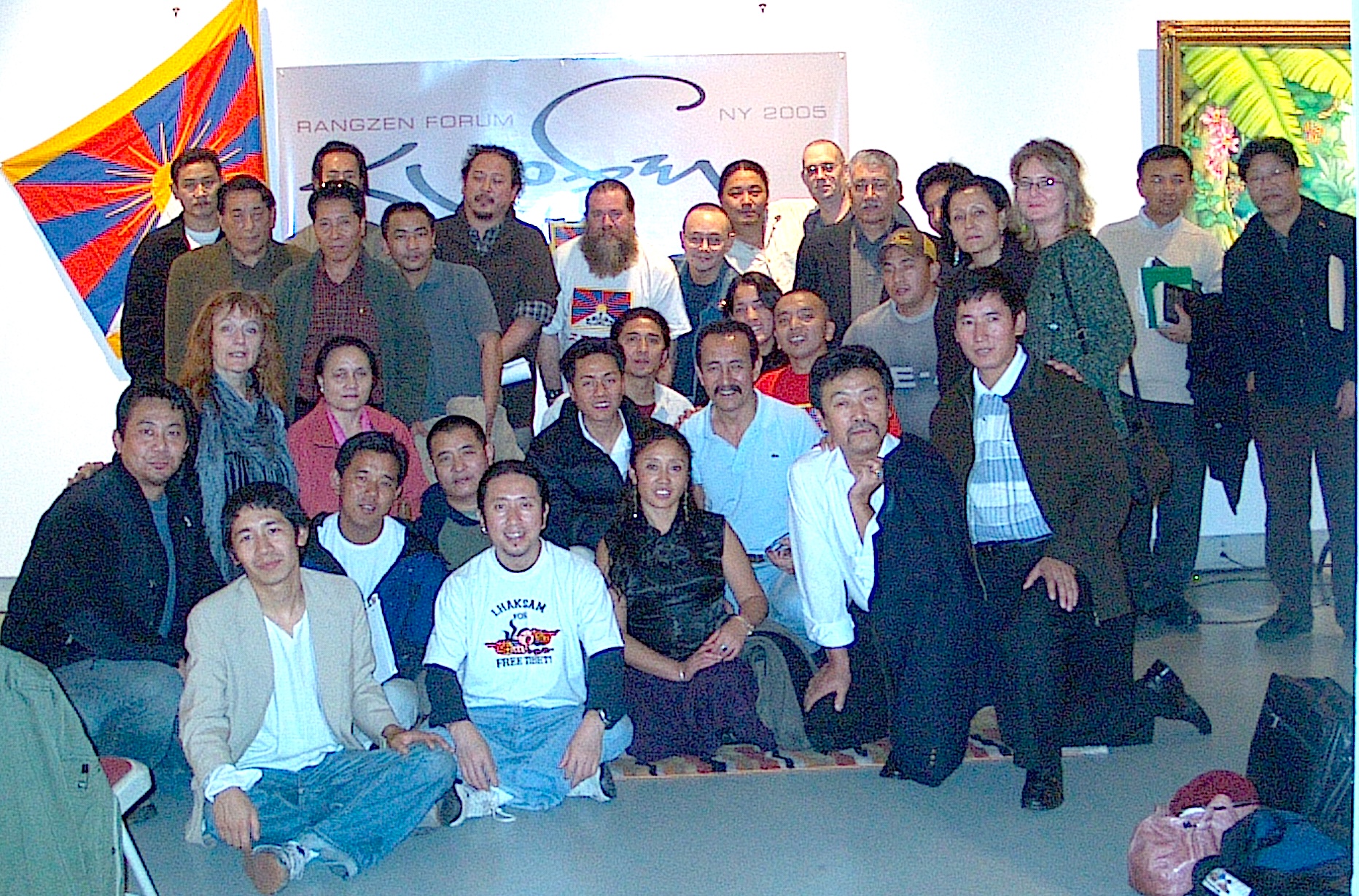
A well-attended Open Forum on Rangzen was held on 5–6 November 2005 at Tibet House, 22 West 15th Street, New York.
In March 2011, the Dalai Lama announced his resignation as head of state. The exile government was dissolved and replaced by an exile administration. Ganden Phodrang, the traditional name of the Tibetan government, was thereafter used solely for the Dalai Lama’s personal foundation, headed by Samdhong Rinpoche following his retirement as prime minister that same year.
The Rangzen Alliance now felt that activism alone was no longer enough to keep the cause of Tibetan independence from being quietly surrendered. Extended discussions among Rangzen activists culminated in the Rangzen Roundtable (“Discussing Scenarios, Strategies and Structures for Tibet’s Independence Struggle”), held at NYU in New York City on 11–12 March 2012.

The Rangzen Alliance, the Tibetan Youth Congress’s NY chapter, the International Tibetan Independence Movement (ITIM), and Gu-Chu-Sum (the former political prisoners’ association) met there with delegates from the US, Canada, and Europe. Tsewang Rigzin, president of the TYC — then organizing a TYC hunger strike at the UN — attended the first morning’s sessions and declared his full support for the Roundtable and its goals.
The meeting’s defining decision was to found a new political party committed to democracy and to Tibet’s independence. It was named the Tibetan National Congress, consciously invoking the legacy of the American Continental Congress — the body whose Declaration of Independence first gave the world a template for freedom, and whose spirit has since kindled democratic movements on every continent. With this name, they laid claim to that same inheritance for Tibet.
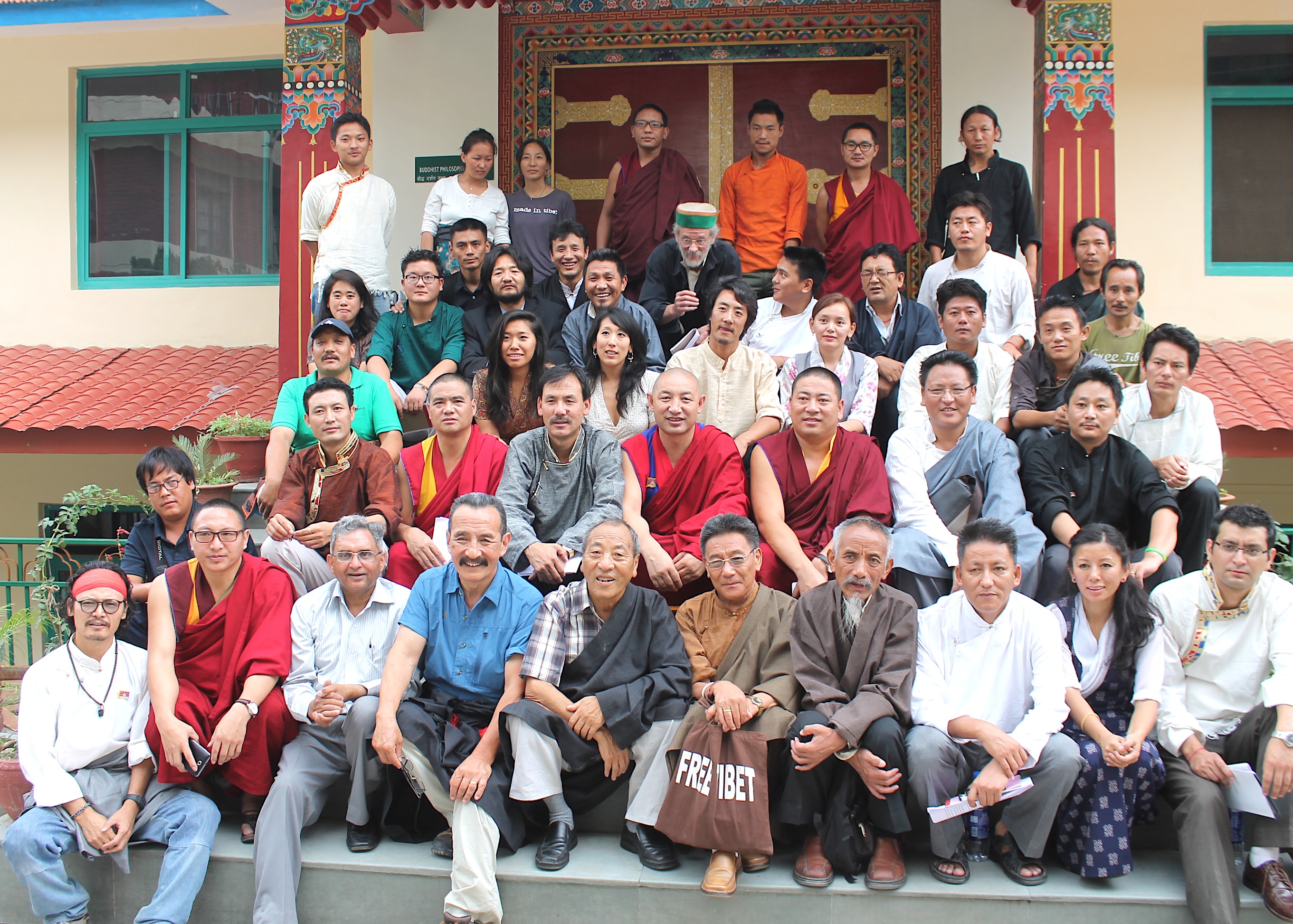
In Dharamshala, the poet and activist Tenzin Tsundue organized and convened a second Rangzen Roundtable on 27 June 2012, at the new conference hall of the Tibetan Library. Around fifty delegates attended, including former prime minister Sonam Topgyal Zechutsang, members of parliament, activists including Lhasang Tsering, and the Indian journalist and Tibet supporter Vijay Kranti. The meeting gave its full support to founding the Tibetan National Congress.
In September 2012, Tibetan National Congress representatives from various American and Canadian cities gathered at the Tennessee home of Jamyang Norbu and worked on actually starting up the executive committee of the Congress and selecting a president.
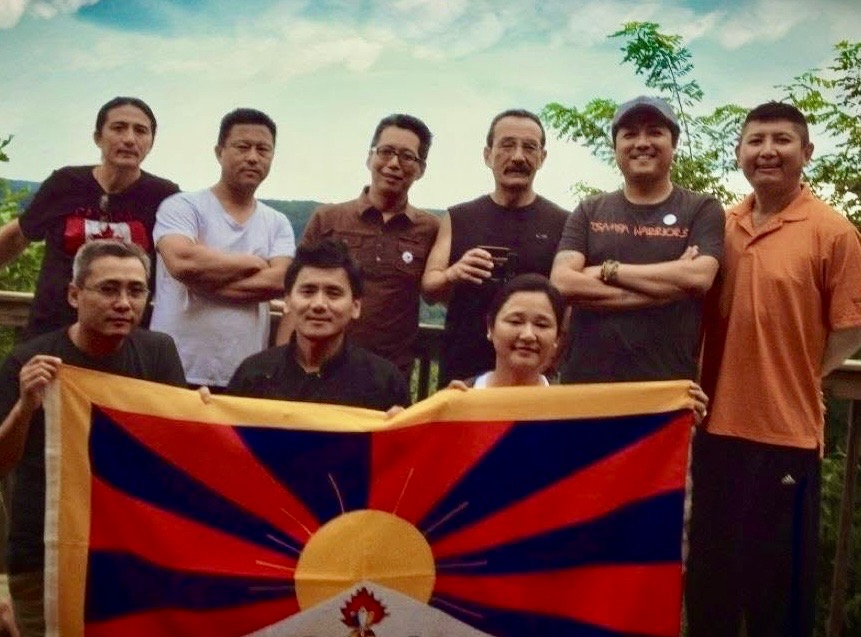
Techung (San Francisco), Kalsang Phuntsok (Toronto), Tsering Topgyal (Montreal), Jamyang Norbu, Jigme Ugen (Minnesota), Ganzey Tshering (Boston), Dr. Sonam Nyatsatsang (Seattle), Kunga Nima (Minnesota), and Doma Norbu (New York).
On February 13th 2013 at Tibet House, the Tibetan National Congress was publicly launched, with Jigme Ugen elected as its first president.

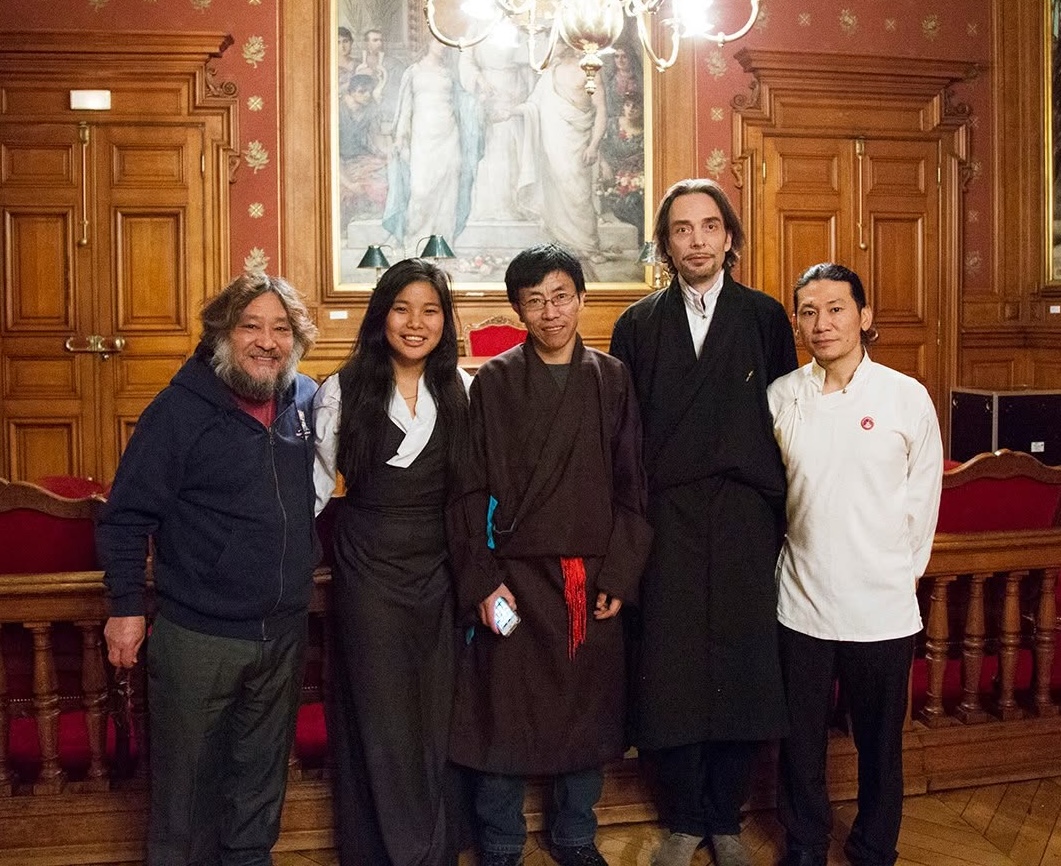
On the same day, the European branch of the Tibetan National Congress was launched in Paris, with members Tsewang Norbu, Migmar Dolma, Sonam Dorjee, Christophe Besuchet and Tenam Yzz. Member Tseten Zöchbauer was not present.
A campaign to marginalize the TNC was launched from Dharamshala. Individuals and organizations were pressured to cut ties with the organization. The Tibetan Youth Congress was forced to pass a binding resolution at its General Assembly disavowing any connection with the TNC — the alternative being that TYC members would be denied an audience with the Dalai Lama. Samdhong Rinpoche had laid the groundwork earlier, telling an audience in New York that Rangzen activists posed a greater danger to the Dalai Lama than Shugden worshippers or the Chinese Communists. [https://www.youtube.com/watch?v=oXlQUTrDHl8]
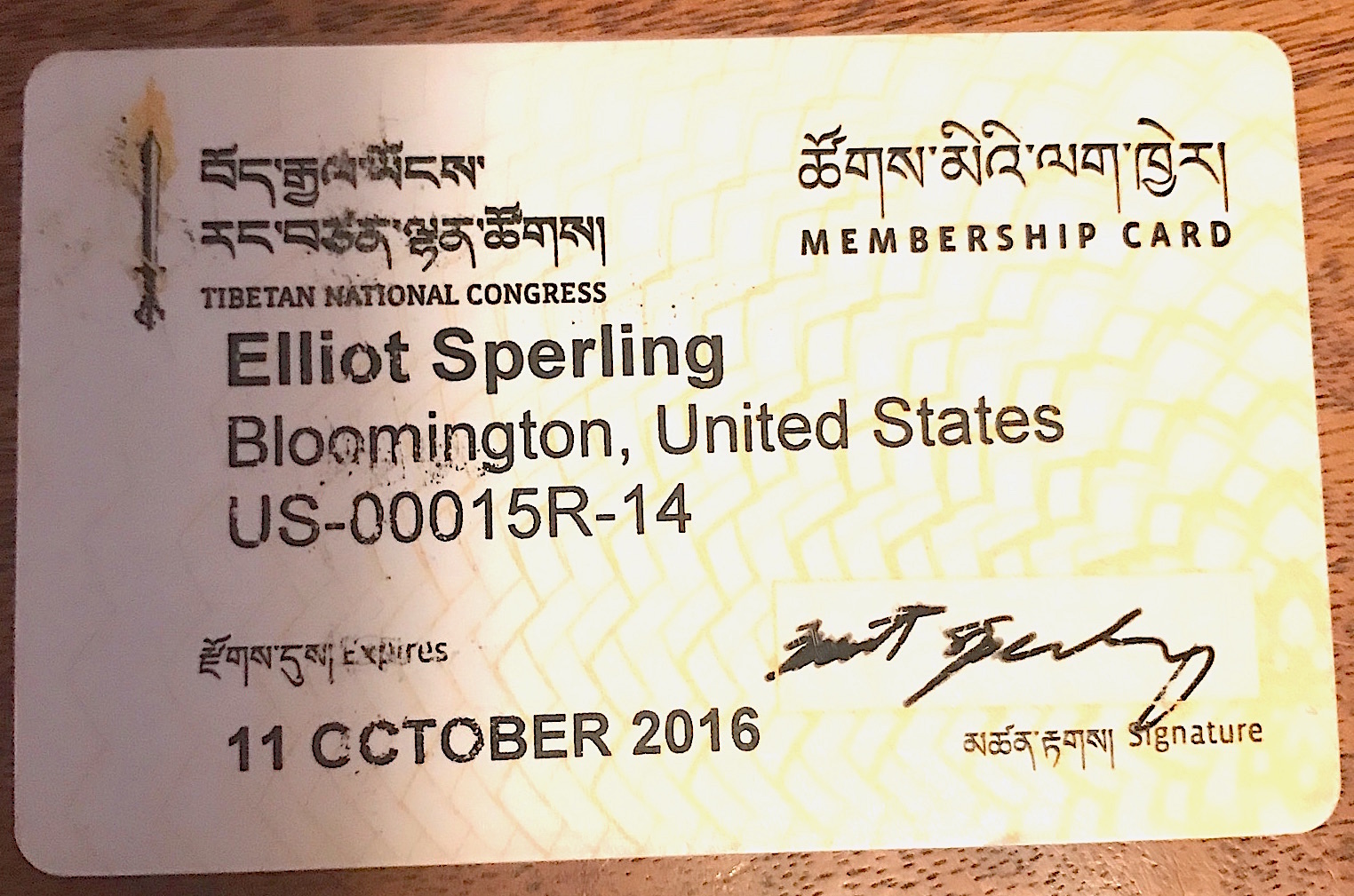
To ensure privacy many of the TNC executive’s meetings in New York were held at the Jackson Heights apartment of the late Elliot Sperling, the eminent scholar of medieval Tibet and an active TNC member. Another TNC member and generous supporter was our old friend Khampa Peter Brown.
Nonetheless, the TNC carried on with its activism under the presidency of Jigme Ugen. In 2014, South Africa denied a visa to His Holiness to attend the World Summit of Nobel Peace Prize Laureates, to be held in Cape Town. The TNC organized an extensive international campaign to relocate the Summit to another world capital. After many months of intensive campaigning, the Summit was successfully relocated to Rome.


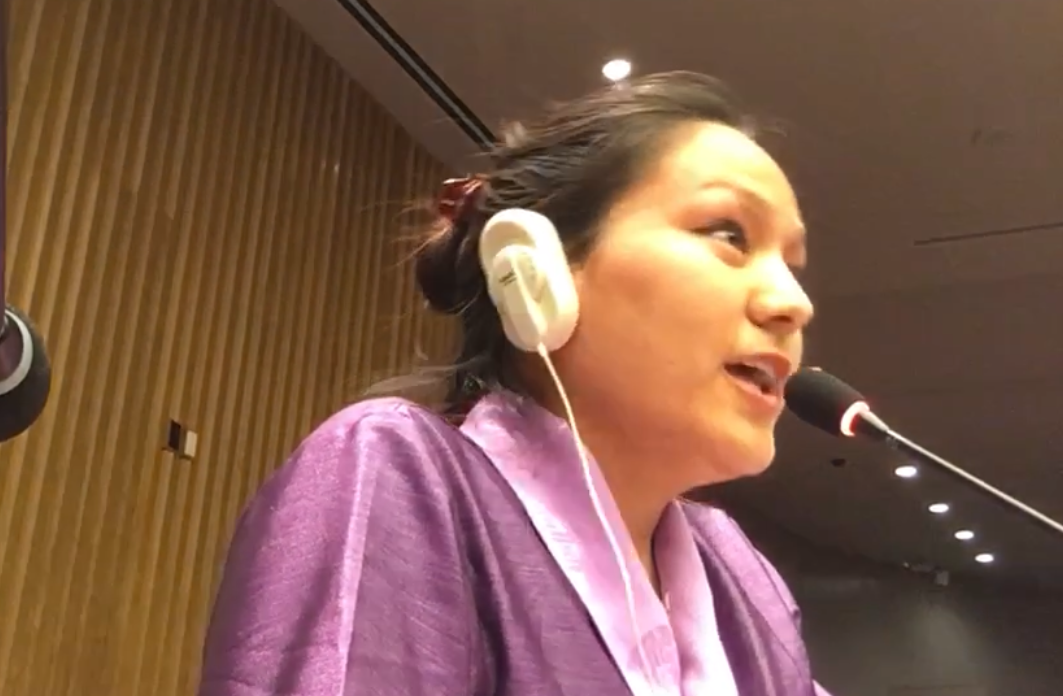
The TNC campaigned to have the United Nations grant the Tibetan exile administration a non-voting observer seat in the General Assembly, as the Palestinian Authority has. In spite of intense campaigning, we were unable to achieve this. But the United Nations invited a TNC delegation, led by New York chapter president Tseten Lhagyal, to attend the 70th anniversary of the founding of the Universal Declaration of Human Rights at UN headquarters in New York.
When Lobga Rangzen became president two years ago, he initiated many projects to draw attention to the Tibetan cause, including a Peace Rally (from Philadelphia to New York City) of over 130-140 vehicles on December 10, 2025, carrying placards calling for Tibetan independence. Lobga was also diligent in spreading information on Tibetan independence to American leaders and politicians and never lost an opportunity to win over a friend or a supporter.