
Introduction
Whenever the question of Tibetan independence or human-rights suppression is raised on the world stage, the PRC’s standard rejoinder runs roughly as follows: Tibet has been part of China “since antiquity,” and the Western nations raising the issue were themselves the true colonial predators — powers that forced China to purchase opium, sent warships when China objected, and compelled Beijing to surrender both sovereignty and territory, including Shanghai and Hong Kong, under a series of unequal treaties.
Yet during the very period China invokes as its “century of humiliation” (bǎinián guóchǐ), the Qing empire and, later, the Republican Chinese state were engaged in strikingly similar campaigns of conquest, dispossession, and colonial violence against Tibet. The cases below — drawn from Gyalrong, Dartsedo, Kham, and the Golok region — trace that record.
The Gyalrong Wars (1747–1749, 1771–1776)
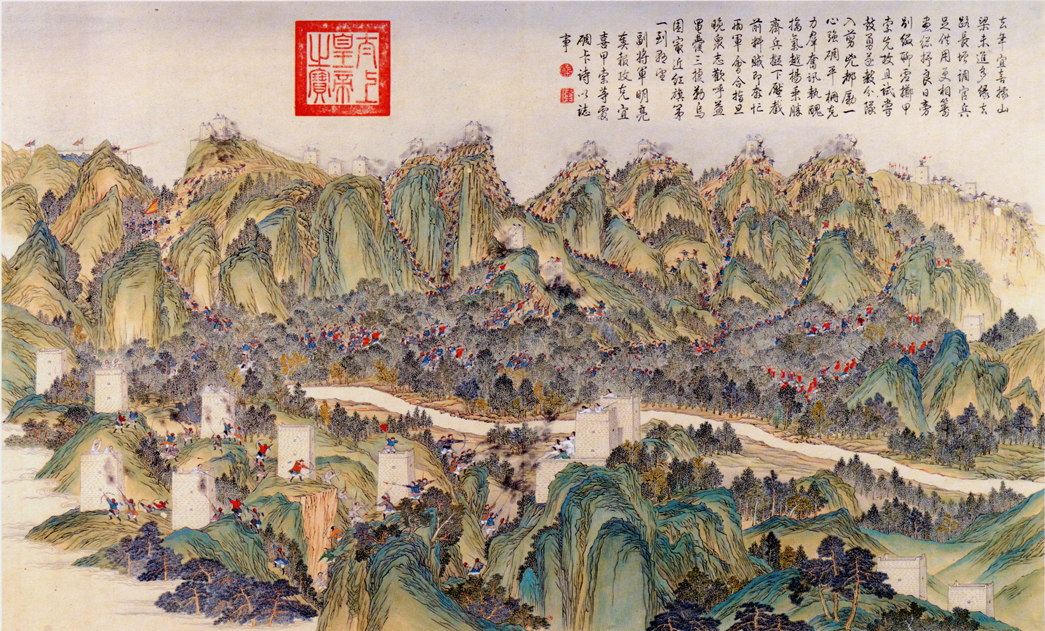
In the Tibetan region of Gyalrong, the Qing fought two separate wars against the Tibetan principalities of Tsanlha and Rabten: the First Jinchuan War (1747–1749) and, after roughly two decades of uneasy peace, the far larger Second Jinchuan War (1771–1776). Together they became the most expensive frontier campaign the Qing dynasty ever waged. It was a massive military undertaking: the Qing court went so far as to employ Jesuit missionary artillery experts to design special cannon for the second campaign.¹
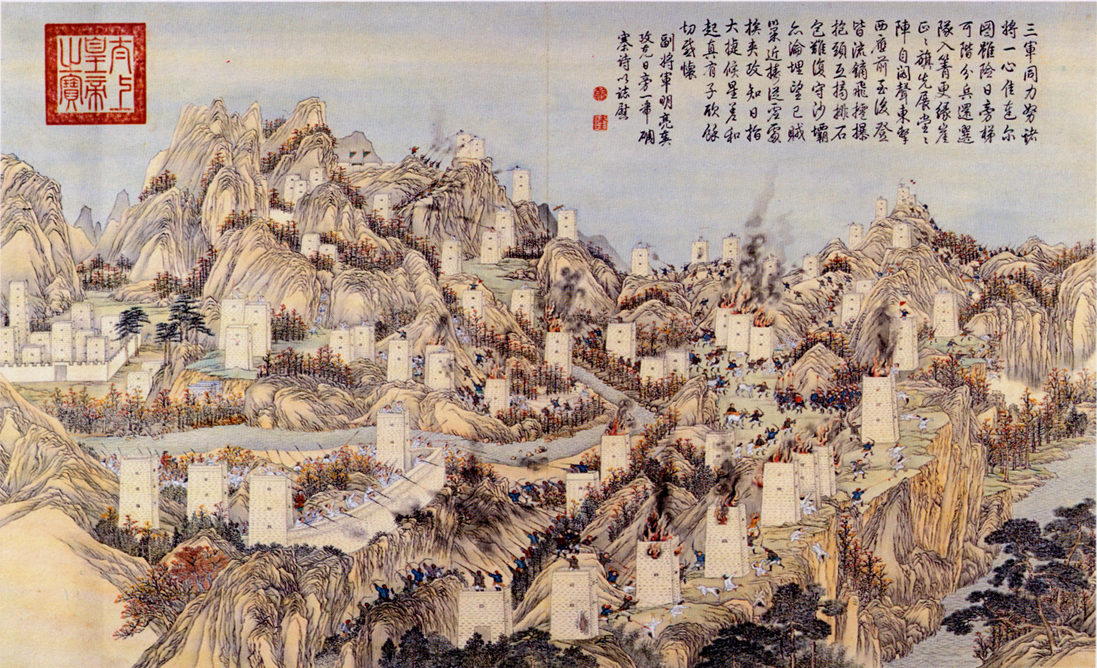
In 1776, imperial forces besieged the final stronghold of the Gyalrong king and forced his surrender. The Qing retaliation was merciless. Commanders carried out extensive massacres, reorganized the region into a strict military prefecture, and forcibly repopulated the valleys with Han Chinese settlers loyal to the state.²
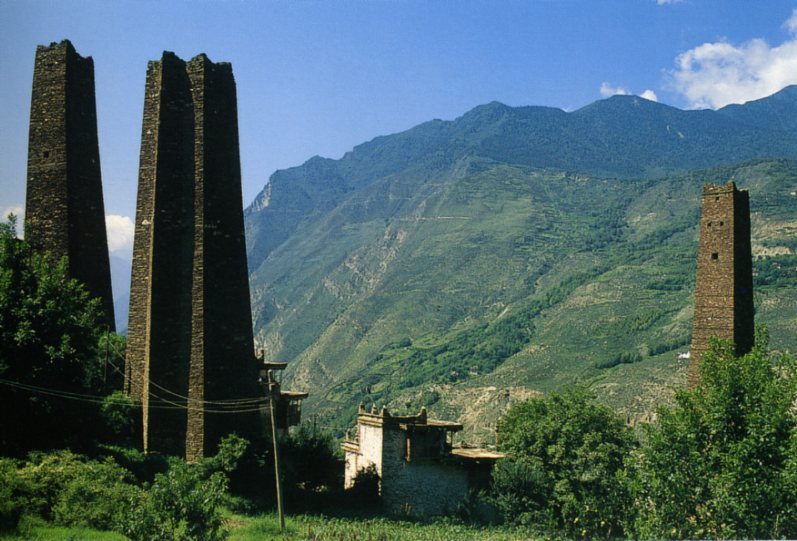
Though ultimately Gyalrong was subdued, the effort and the colossal expense drastically weakened the power of the Manchu dynasty. The leading historian on medieval Tibet, the late Professor Elliot Sperling, considered the Qing invasion of Gyalrong as being analogous to America’s costly involvement in Vietnam that brought about the substantial and far-reaching diminution of America’s post-World War II prosperity.
The Battle for Dartsedo (1701)
The town of Dartsedo, on the Sino-Tibetan frontier, was of central importance to Tibet as the principal terminus of the Sino-Tibetan tea trade. The Fifth Dalai Lama had posted officials from Lhasa there to oversee commerce and levy taxes, and a Tibetan garrison held the town.³
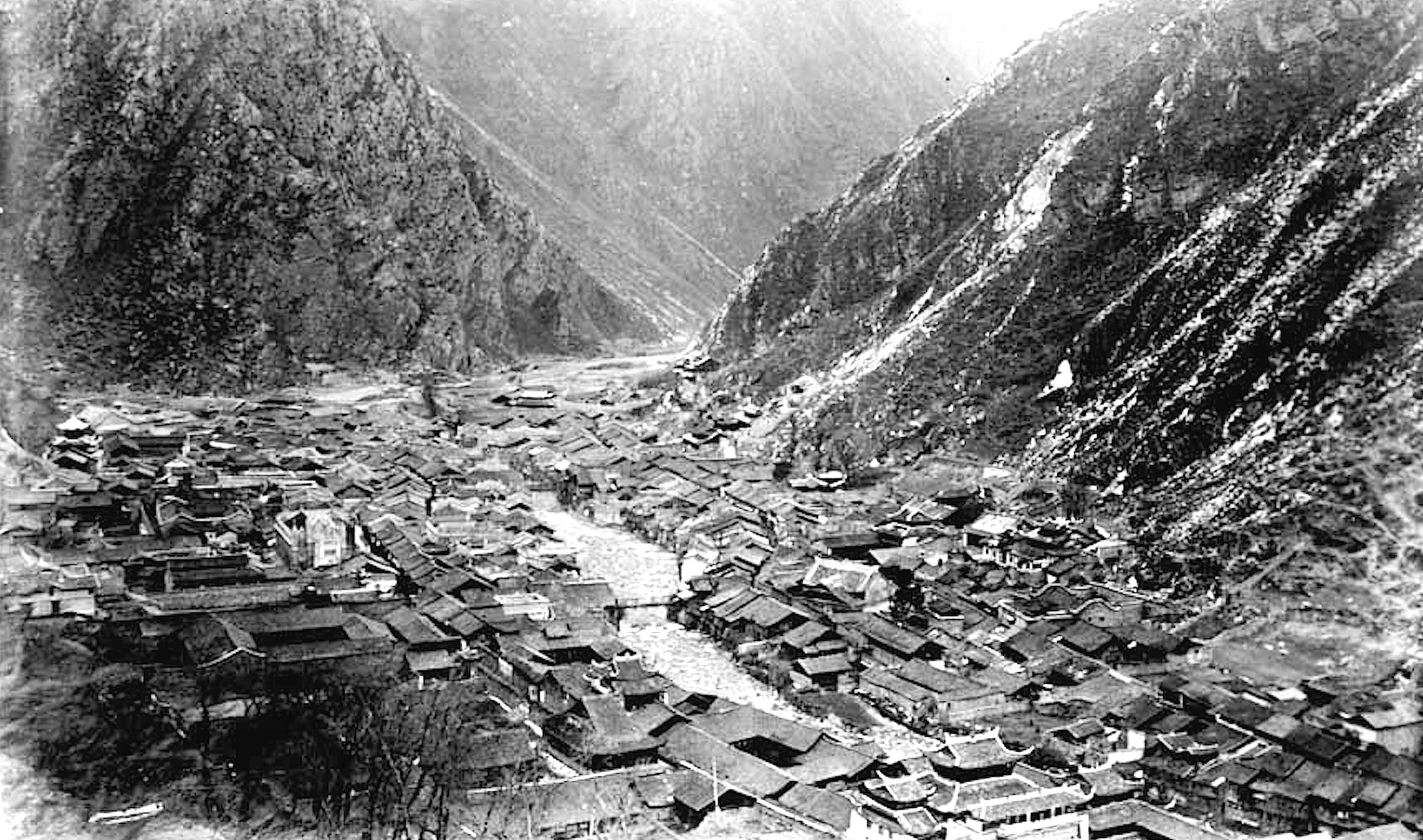
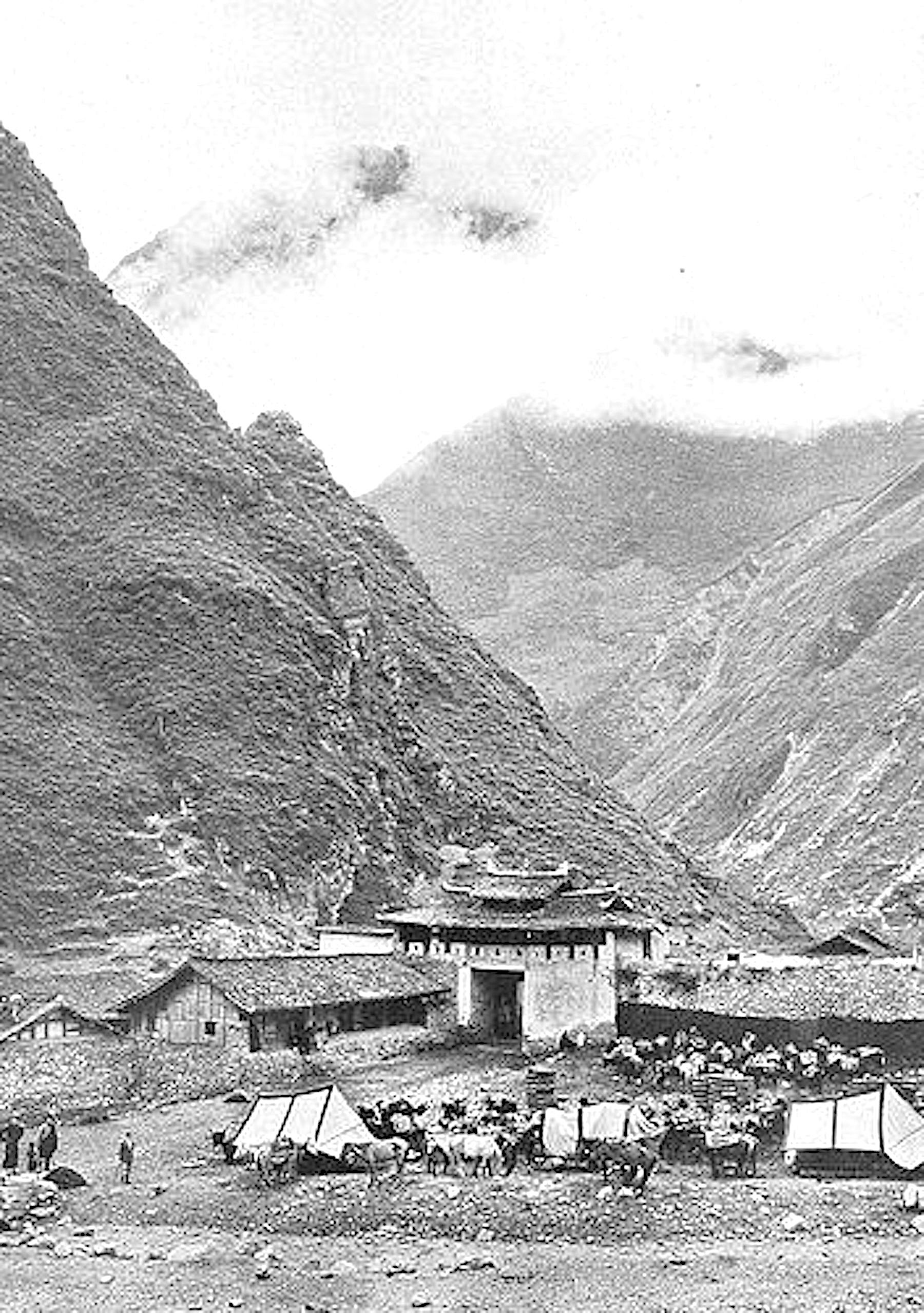
The Qing Kangxi Emperor disputed Tibet’s claim of sovereignty over Dartsedo and demanded its surrender. Lhasa refused. On 28 January 1701, Manchu forces attacked. The Tibetan garrison was overwhelmed, and Qing troops took the town, ending Tibet’s long-standing control of this vital trade hub. In the aftermath, the Qing army inflicted a massacre on the population: nearly all the town’s Tibetan men were killed.⁴
The Conquest of Kham and the Founding of Xikang Province
China’s colonial ambitions in Kham (Eastern Tibet) accelerated sharply at the start of the twentieth century. In June 1911, Fu Songmu, Commissioner for Sichuan-Yunnan Border Affairs, submitted a formal memorial to the Qing court titled “Memorial Requesting the Establishment of Xikang Province,” proposing to convert the region into a Chinese province.
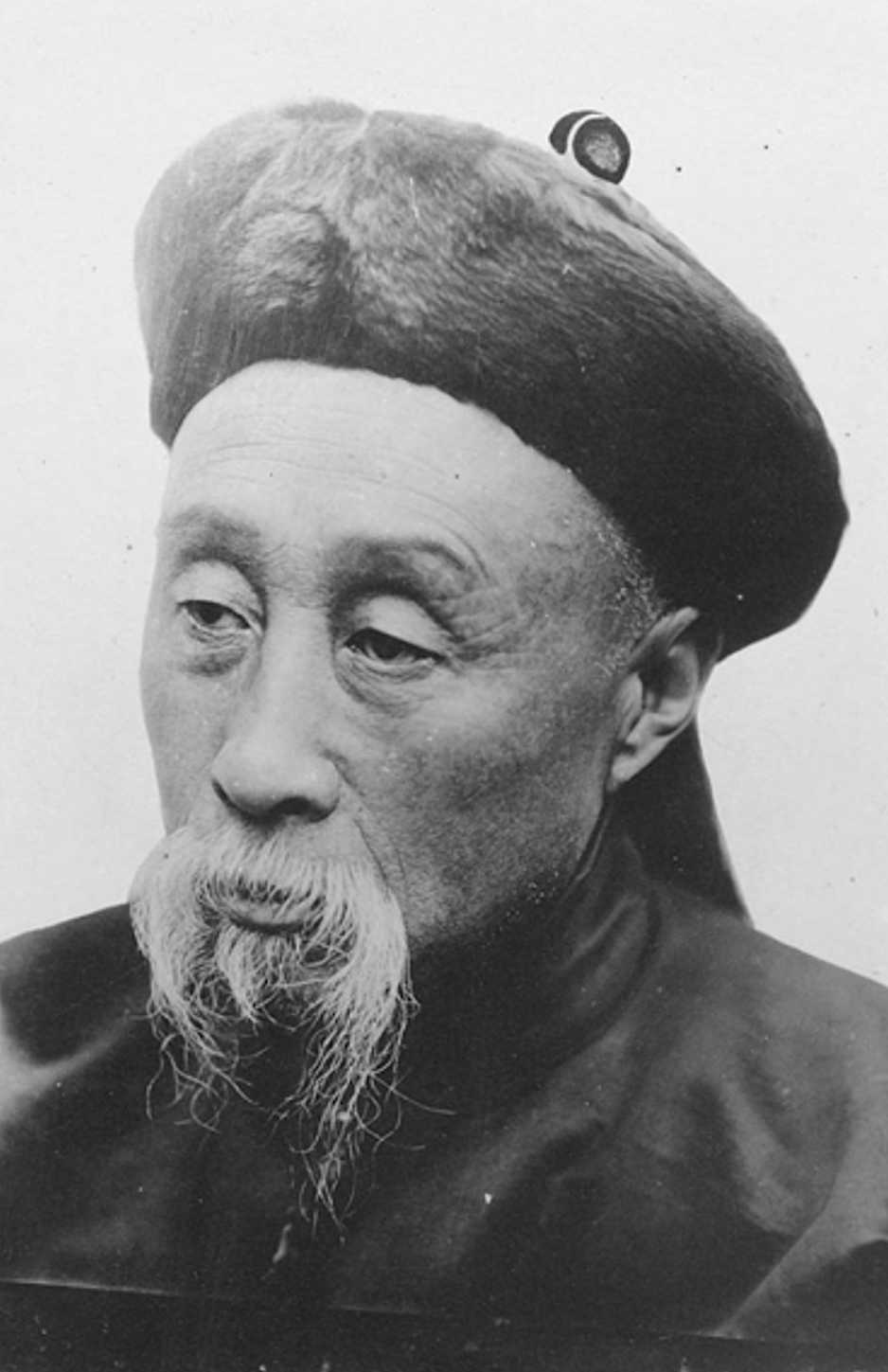
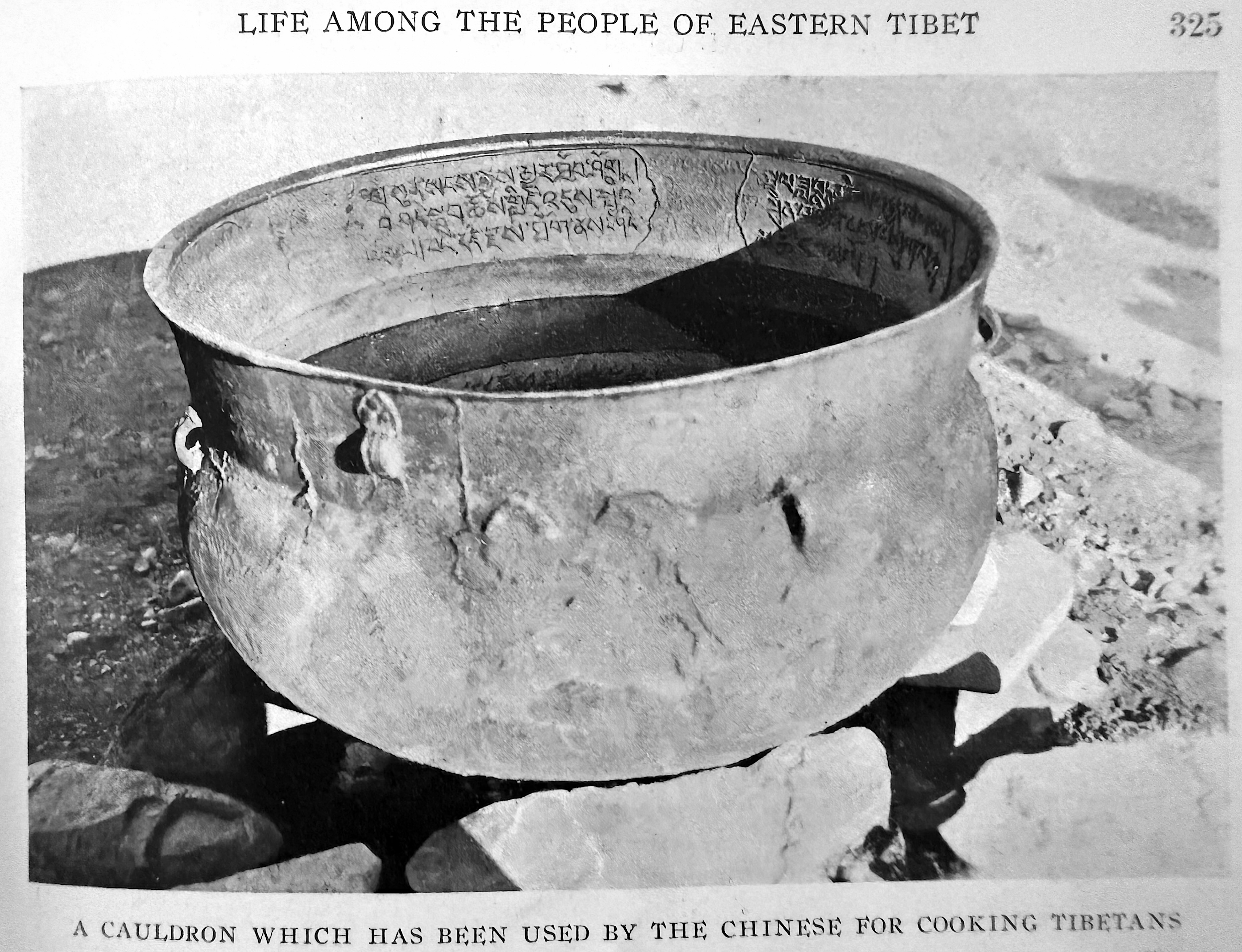
The military conquest that made this proposal possible was carried out by Zhao Erfeng, a Qing general who led a sweeping campaign into Kham beginning around 1905, defeating local rulers and converting their territories into Chinese-style counties. The campaign was executed with extraordinary brutality: tens of thousands of Khampas were massacred, major monasteries were burned to the ground, and many traditional chieftains were deposed and often executed. An American missionary with long experience on the frontier described the conduct of Chinese forces in the foreign press of Shanghai in these terms:
“There is no method of torture known that is not practiced here on these Tibetans — slicing, skinning, boiling, tearing asunder, and all… To sum up what China is doing here in Eastern Tibet, the main things are collecting taxes, robbing, oppressing, confiscating, and allowing her representatives to burn and loot and steal.”⁵
Notably, in his memorial requesting authorization for the campaign, Zhao Erfeng described his own project in explicitly imperial and colonial terms, comparing it openly to the contemporary ventures of European and American powers in Africa and Asia. He framed the Chinese project in Kham as a “civilizing” mission directed at “barbarian” tribes, and likened it to British colonization of Australia, French colonization of Madagascar, American rule in the Philippines, and Japanese rule in Hokkaido.
Elliot Sperling’s research on this period establishes that the late Qing policy of creating Xikang province was fundamentally an instrument of imperial expansion: the memorials submitted by Zhao Erfeng and his superiors used deliberate strategic place-making and the rhetoric of colonization to legitimize the forcible subjugation of the Tibetan borderlands.⁶
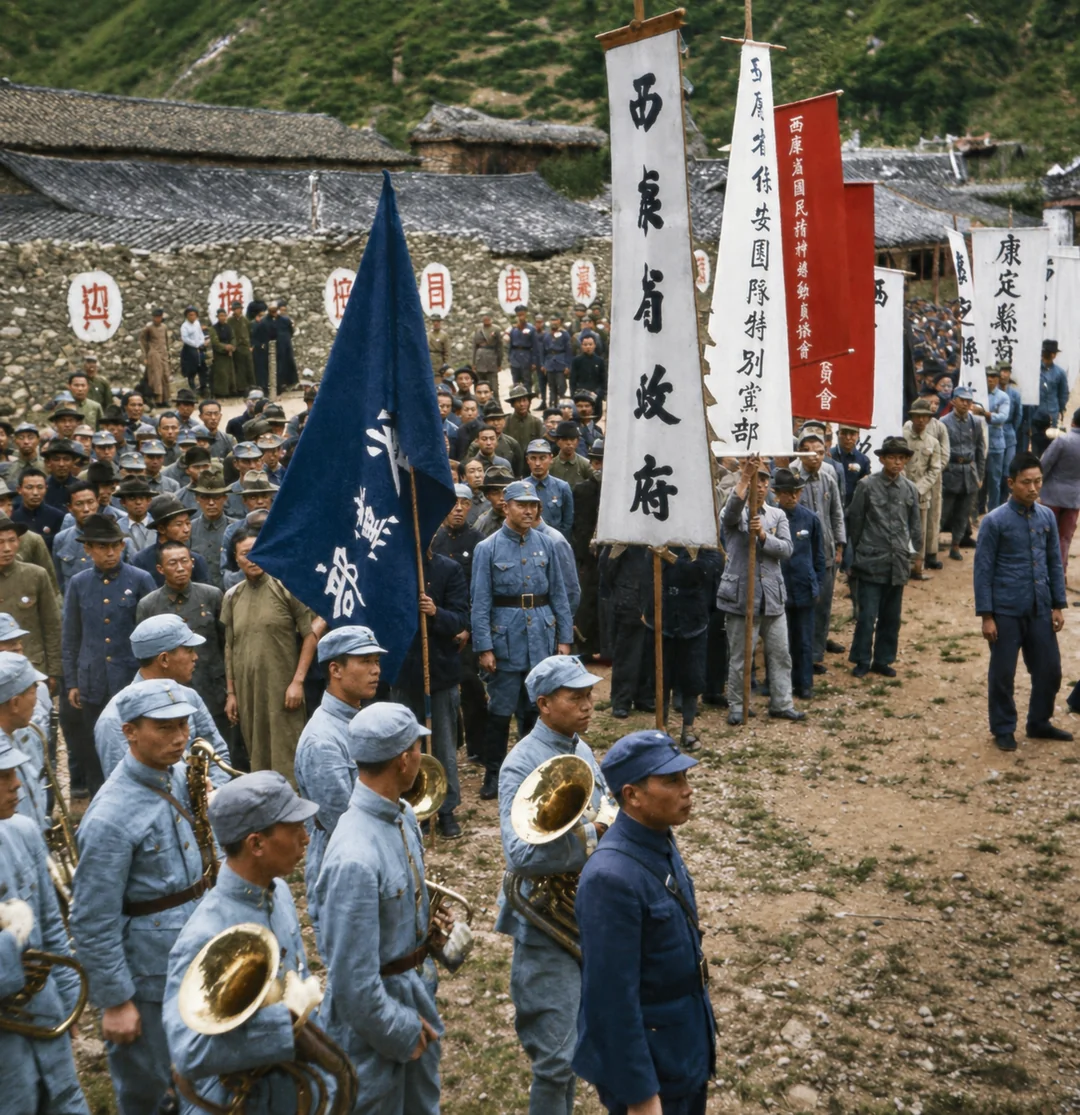
Zhao’s campaign culminated in the Qing invasion of central Tibet in 1910 and the flight of the Thirteenth Dalai Lama into exile in India. He returned in 1913, when Chinese forces were expelled and Tibetan independence was declared. The Dalai Lama had earlier been forced to flee Tibet following Britain’s military invasion in 1904 — meaning Tibet faced two separate invasions from two of the era’s major imperial powers within the space of a single decade.
The Golok Massacres (1917–1929)
Following the collapse of the Qing dynasty in 1911, the Hui Muslim Ma clique of warlords sought to extend Republican China’s control — and its tax base — over the still-autonomous Tibetan and Mongol areas of Qinghai and Gansu. Chief among them was Ma Qi, commander of the Ninghai Army, who launched a series of brutal campaigns against the fiercely independent Golok Tibetan nomadic tribes between 1917 and the late 1920s.

Ma Qi’s forces launched major expeditions against the Golok in 1917, 1920, and 1921, inflicting massive casualties, destroying Tibetan Buddhist temples, and executing thousands of tribesmen. His army besieged the prominent Labrang Monastery on multiple occasions, meeting fierce resistance from Tibetan and Mongol defenders; Ma Qi withdrew in 1927, only for his forces to loot and ravage the monastery again in subsequent years.
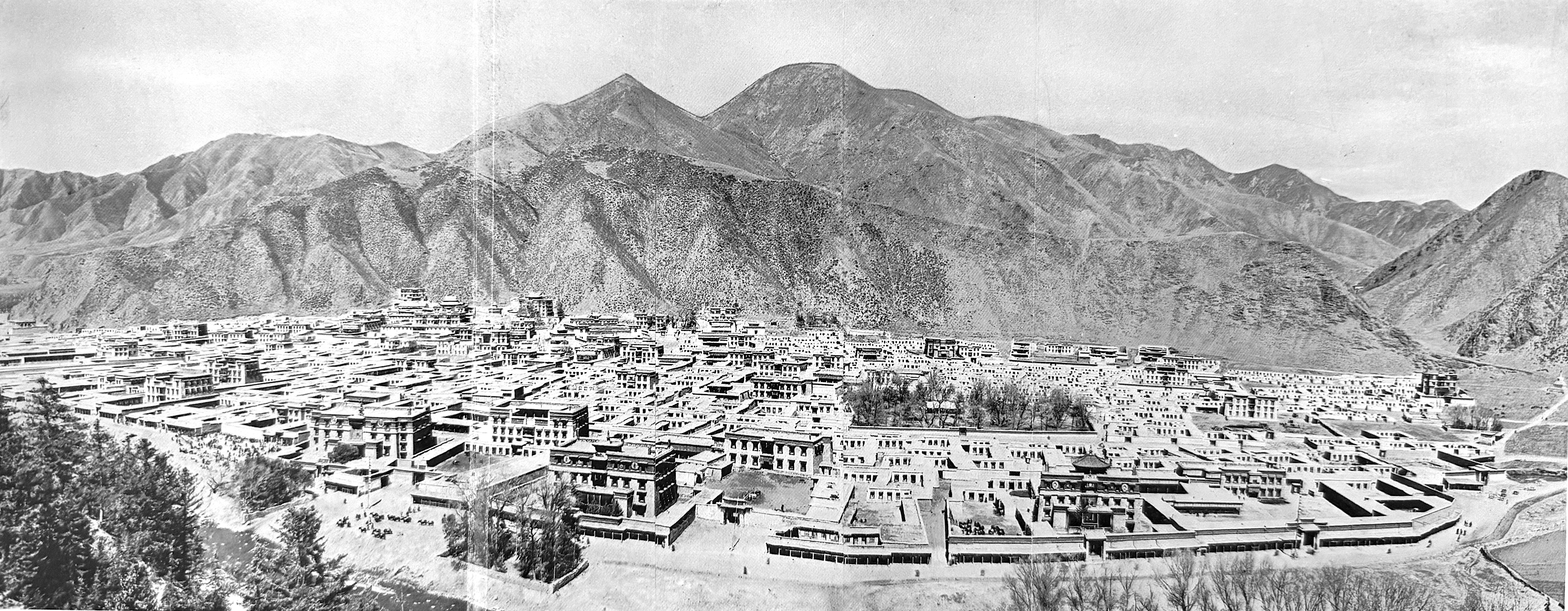
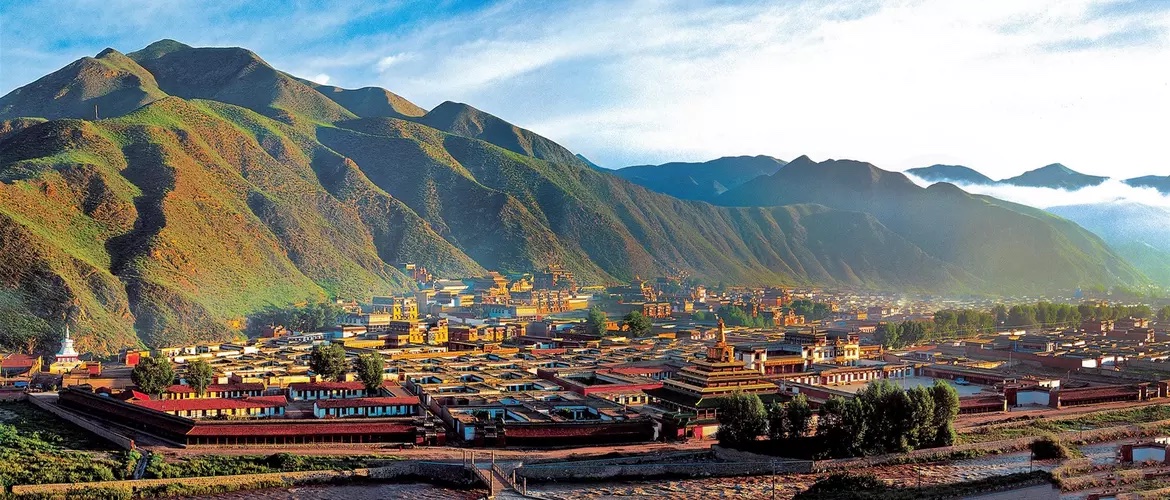
The explorer and botanist Joseph Rock, who documented the region in the late 1920s, witnessed the aftermath of this warfare firsthand and described Tibetan skeletons scattered widely across the battlefields. Following the 1929 Battle of Xiahe near Labrang, severed Tibetan heads — 154 in total, including those of young girls and children — were displayed as trophies around the Muslim garrison, with ten to fifteen heads reportedly fastened to the saddle of every cavalryman. Rock described the heads as “strung about the walls of the Moslem garrison like a garland of flowers.”⁸

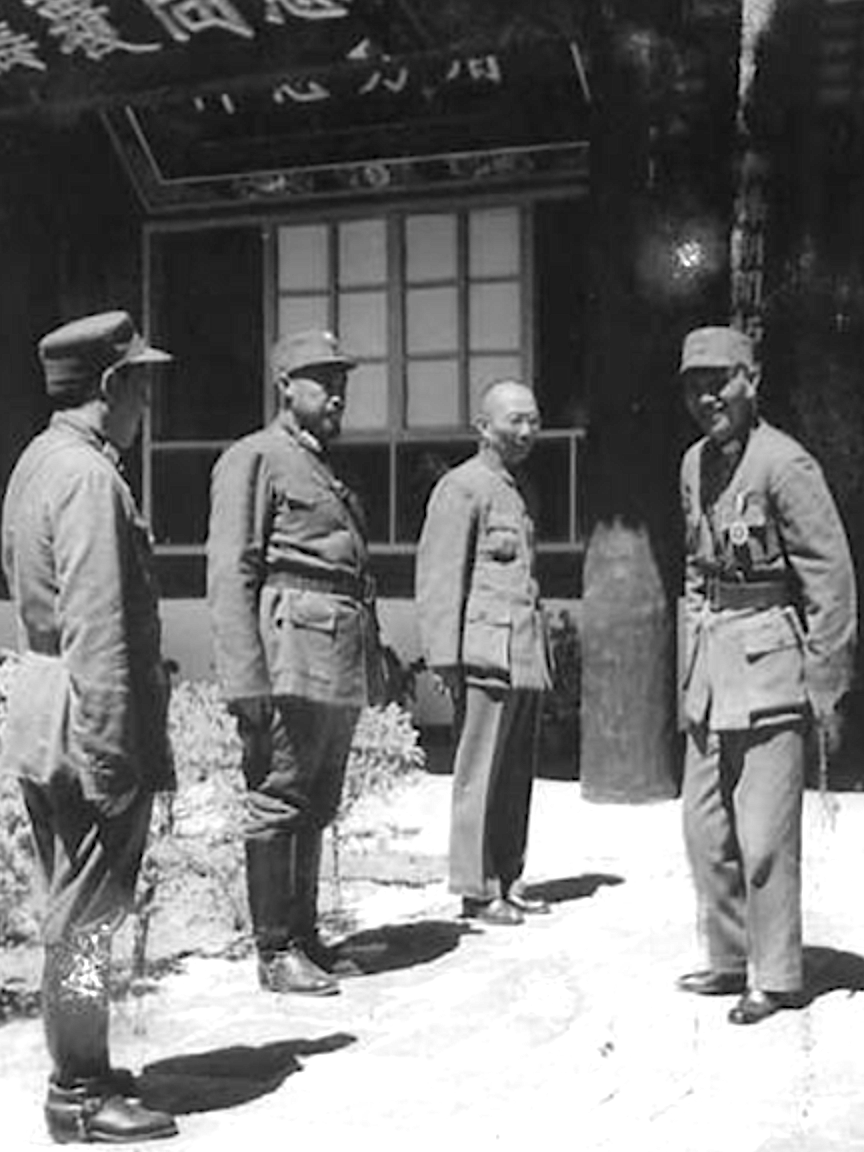
Despite this violence, Ma Qi and his successors never fully subjugated the Golok tribes, who retained a substantial degree of autonomy until the region was occupied and forcibly incorporated into the PRC in the early 1950s.
Conclusion
Taken together, these episodes — Gyalrong, Dartsedo, Kham, and Golok — form a continuous record of conquest, massacre, forced resettlement, and the destruction of local institutions carried out by the Qing and Republican Chinese states against Tibetan polities, spanning from the mid-eighteenth century through the eve of the PRC’s 1950s military annexation of Tibet. This record runs parallel in time — and in several respects in method — to the era of Western imperial encroachment that China cites as the basis of its own historical grievance. Zhao Erfeng’s own memorial makes the parallel explicit: he described his Kham campaign in the same colonial idiom used by contemporary European, Japanese, and American powers elsewhere in Asia and Africa.
Notes
- Roger Greatrex, “A Brief Introduction to the First Jinchuan War (1747–1749),” in Tibetan Studies: Proceedings of the 6th Seminar of the International Association for Tibetan Studies, Fagernes 1992, vol. 1 (Oslo: Institute for Comparative Research in Human Culture, 1994).
- F. W. Mote, Imperial China: 900–1800 (Cambridge, MA: Harvard University Press, 1999), pp. 936–939.
- Yudru Tsomu, “Political and Territorial Survival in the Sino-Tibetan Borderland: A Case Study of the Lcags La Kingdom during the Qing Dynasty,” in Studies in the History of Eastern Tibet: PIATS 2006, Proceedings of the Eleventh Seminar of the International Association for Tibetan Studies, Königswinter 2006, ed. Wim van Spengen and Lama Jabb (Halle (Saale): International Institute for Tibetan and Buddhist Studies, 2009), 55–96.
- Dai Yingcong, The Sichuan Frontier and Tibet: Imperial Strategy in the Early Qing (Seattle: University of Washington Press, 2009).
- Eric Teichman, Travels of a Consular Officer in Eastern Tibet (Cambridge: Cambridge University Press, 1922), p. 228.
- Elliot Sperling, “The Chinese Venture in K’am, 1904–1911, and the Role of Chao Erh-feng,” The Tibet Journal 1, no. 2 (1976).
- A. L. Shelton, “Life Among the People of Eastern Tibet,” National Geographic Magazine 40, no. 3 (September 1921).
- Joseph Rock, “Seeking the Mountains of Mystery…,” National Geographic Magazine 57, no. 2 (February 1930): 143–144.